An Editorial Look at an Old-Fashioned Kitchen Habit
Why Honey and Gelatin Became a Quiet Evening Ritual for Men Over 50
Long before supplement aisles existed, home kitchens relied on honey and gelatin as a simple evening staple. This report looks at where that habit came from and why it still gets mentioned today.
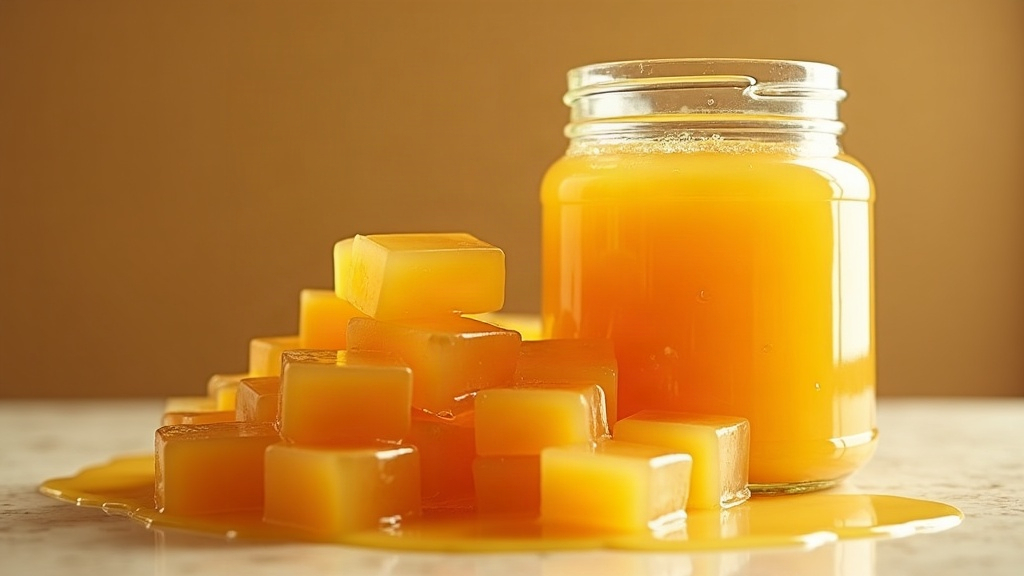
The Evening Kitchen Habit Many Men Quietly Let Go Of
For men past fifty, ordinary evening routines often fade first — not from a single decision, but from years of packed schedules replacing them with something simpler.
Evenings That Feel Rushed
Between work, family, and everything in between, the slower rituals of the evening are often the first to disappear.
Restless Nights, No Explanation
Many men notice their evenings feel less settled than they used to, without pinpointing exactly why.
Skipping the Old Kitchen Staples
Warm, simple preparations like honey and gelatin were once common before bed, but rarely make it into modern routines.
A Routine Nobody Talks About
These small habits were rarely discussed outright — they were just part of how a household ran.
Signs Worth Paying Attention To
Trouble Settling Into Sleep
Lying awake longer than expected, even after a full day, is a pattern many men notice but rarely mention.
Feeling Off in the Late Afternoon
A dip in steadiness or focus later in the day can go unnoticed until it becomes routine.
Noticing Stiffness After Sitting
Getting up from a chair or car seat can feel less effortless than it once did.
Energy That Dips Earlier Each Year
The point in the evening where energy fades seems to arrive a little sooner each year.
Skipping Meals Without Noticing
Smaller appetites or skipped evening routines can slip by unnoticed over time.
Forgetting Small Evening Habits
Rituals that used to happen automatically, like a warm evening drink, quietly disappear from the schedule.
Old Kitchen Habits: Myth vs Fact
Some assumptions about old-fashioned evening routines don’t hold up once you look at where they actually came from.
Honey and gelatin were just an old wives’ tale with no real place in a kitchen.
Home cooks across generations kept simple honey-and-gelatin mixtures in the pantry as a matter of habit, not superstition.
Any warm drink before bed does the same thing.
Recipes varied by household, and the honey-and-gelatin combination was specifically noted in older cookbooks as a distinct evening preparation.
This kind of routine disappeared because it didn’t matter.
Many old kitchen habits faded simply because modern schedules left little room for them, not because they were dismissed.
How the Old Routine Was Typically Described
Historical accounts of this kitchen habit generally followed a simple, three-part rhythm.
Warming the Base
The process usually began with gently warming a small liquid base, a step many households treated as routine rather than exact science.
Stirring in Honey and Gelatin
Honey and gelatin were combined next, often measured by eye rather than precise recipe.
An Evening Pause
The mixture was typically set aside for a few minutes before being enjoyed slowly, as part of an unhurried evening moment.
Where This Kitchen Habit Came From
Before refrigeration and packaged snacks, kitchens relied on simple, shelf-stable staples. Honey kept well without spoiling, and gelatin — often rendered at home from bones and connective tissue — was a common pantry item used in everything from desserts to evening preparations. Combining the two into a small warm mixture before bed was documented in household notebooks and regional cookbooks well before it became a forgotten habit.
What stands out in these old records isn’t a claim of any kind — it’s how ordinary and unremarkable the habit was treated at the time.
Readers Sharing Their Own Notes

Illustrative composite examples. Individual results vary. Not a guarantee.
Frequently Asked Questions
This is an editorial piece exploring the history and tradition behind an old-fashioned honey-and-gelatin evening habit.
No. This report discusses the history and tradition of the habit itself, for educational purposes.
Older cookbooks and household notes documented this particular combination as a distinct evening preparation, which is why it’s the focus here.
No. This content is educational only and has not been evaluated by the FDA. Consult a healthcare professional for any health concerns.
Busier modern schedules left less room for slower evening rituals, which is a common pattern across many old household habits.
No. They are illustrative composite examples used for editorial purposes and are not a guarantee of any outcome.
The full editorial report goes into more detail on the tradition and history behind this habit.
Continue Reading About This Old Kitchen Habit
Explore the full editorial report on honey and gelatin and how this tradition fits into evening routines from decades past.
Advertising Disclosure: This page contains sponsored content and affiliate links. We may receive compensation if you make a purchase through links on this site. This does not affect the price you pay.
Content Disclaimer: This content is for educational purposes only and has not been evaluated by the FDA. It is not intended to diagnose, treat, cure, or prevent any disease. Always consult a qualified healthcare professional before making changes to your health routine.
Results Disclaimer: Individual results vary. Testimonials and examples shared on this page are illustrative and not a guarantee of any specific outcome.
© 2026 · All Rights Reserved · Contact